 Mattresses
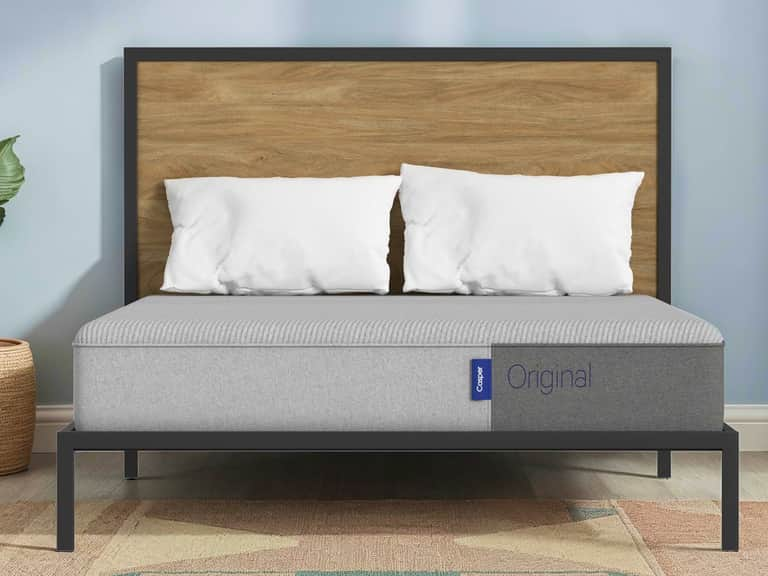
Original Mattress
Sleep cooler and cradled by premium foams, with three-zone Zoned Support that aligns your spine for balanced, responsive comfort all night.
Foam mattresses are designed to provide consistent support and pressure relief across the body, making them suitable for varied sleeping styles. They rely on memory, polyurethane, or transition foams to contour to curves while maintaining spinal alignment. Key characteristics include motion isolation, durability considerations, and the ability to respond to different firmness levels relevant to individual comfort needs.
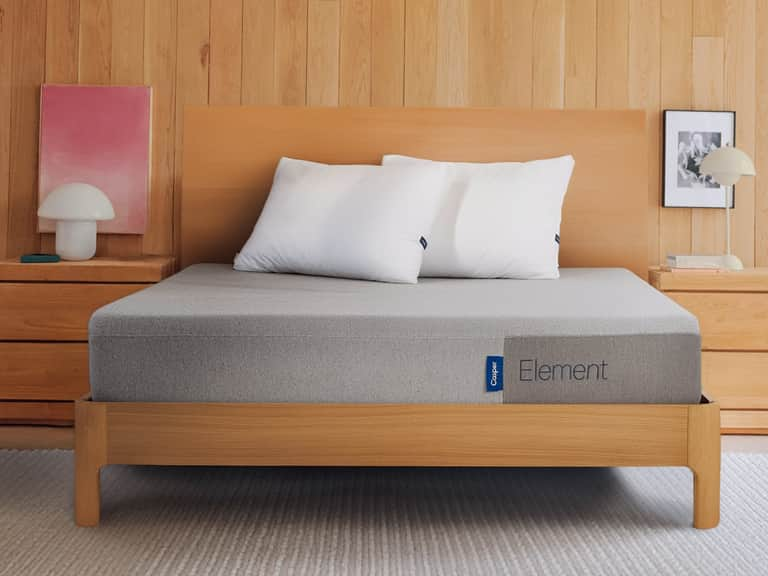
The Original Mattress and Element Mattress exemplify common foam constructions with distinct performance focuses. The Original Mattress typically emphasizes balanced contouring and moderate responsiveness, offering even support along the sleeper’s torso and hips. It often pairs with breathable covers to enhance air circulation and temperature regulation during rest.
The Element Mattress commonly highlights a zoned or layered foam approach, optimizing targeted support for the lumbar region and shoulders. Such designs aim to reduce pressure points while maintaining ease of movement, making it a practical option for combination sleepers who shift positions throughout the night.
When evaluating foam mattresses, consider factors such as density, thickness, and foam type, which influence durability, conforming feel, and edge support. Higher-density foams generally offer longer-lasting support and improved shape recovery, while lower-density foams may be more affordable and softer initially. Properly chosen, they contribute to overall sleep quality and comfort.
In the context of bedding, foam mattresses work alongside accessories like pillows, sheets, and organic mattress options, including organic crib mattresses, to create a cohesive sleep environment. Understanding product features—such as cover materials, temperature regulation, and compatible foundations—helps users assess suitability for long-term rest and personal wellness goals.
Mattresses
 Mattresses