A Practical Guide to Latex Mattresses: Comfort, Durability, and UK Standards
In the realm of sleep, choosing the right mattress is a deeply personal decision that blends science, materials, and local standards. This guide dives into latex mattresses with a UK-centric lens—explaining how they’re made, what you should feel for, how they age, and which safety norms matter most for discerning shoppers in the United Kingdom. No brand hype, just clear, evidence-based guidance to help you sleep soundly and safely.
What is latex in a mattress, and how is it made?
Latex mattresses are built from latex foams derived from natural sources, synthetic blends, or a combination of both. The core idea is to provide a resilient, buoyant support that responds to your body while offering breathable comfort. In the industry, you’ll encounter several key terms that describe how latex is produced and finished:
Natural latex: Dervied from the sap of rubber trees (often labeled as 100% natural). It’s typically available in two main processing styles: Dunlop and Talalay.
Synthetic latex: Made from petrochemical polymers, offering a different balance of feel and cost.
Blended latex: A mix of natural and synthetic latex designed to balance the properties of both.
Dunlop: A denser, more supportive core with a uniform feel, often used for robust support layers.
Talalay: Usually lighter and with more consistent cell structure, offering a softer or more buoyant top layer depending on the profile.
When you see a latex mattress described as Dunlop, Talalay, or a blend, you’re looking at the core construction that defines its feel. A common setup is a multi-layer arrangement where a support layer uses Dunlop latex and comfort layers use Talalay latex, or vice versa. This layering influences contouring, temperature regulation, and edge support.
Natural vs synthetic vs blended: what UK buyers should know
For UK consumers, the choice often hinges on purity, sustainability, and lifecycle. Natural latex is praised for its resilience and breathability, but it can come with a higher price tag. Blended latex can offer a middle ground, balancing feel and cost. Synthetic latex tends to be more affordable and durable, but it may feel less buoyant and heat-retaining for some sleepers.
Key practical considerations include:
Allergen considerations: Pure latex is generally hypoallergenic, but some individuals may have sensitivities to natural rubber proteins. Blends can alter allergen exposure.
Temperature and breathability: Latex’s open-cell structure promotes airflow. Higher breathability often translates into cooler sleep for many people, though room temperature and bedding choices also matter.
Durability and indentation resistance: Latex tends to resist deep indentations better than some foams, contributing to longer-term comfort.
Feel profiles: what to expect from latex vs other foams
Latex mattresses typically offer a buoyant, springy feel with good contouring without the “sinking” sensation common with some foam beds. Depending on the layer configuration, sleepers may experience:
Soft/loose latex layers for a cushioned, enveloping feel, suitable for lighter sleepers or those who prefer more immediate pressure relief.
Medium to firm latex layers for sleepers who prioritize spinal alignment and edge support, often favored by back and stomach sleepers or heavier individuals.
Hybrid or multi-density builds that pair latex with supportive cores or other foam types to balance contour with support.
In the UK market, you’ll also encounter layered approaches that tailor feel to different body weights and sleeping positions. If you sleep with a partner, consider how the profile behaves at a horizontal plane—latex with independent layers can help reduce motion transfer while preserving support for each side of the bed.
UK standards, safety, and what to look for when buying
Shopping for a latex mattress in the UK isn’t just about comfort; it’s also about safety, regulatory compliance, and long-term performance. This section outlines the certifications and practical checks that help UK consumers buy with confidence.
Testing and certification: Seek products that meet recognized standards for flame retardancy and safety. In the UK, certain performance and safety expectations align with general consumer protection frameworks, though specific flame retardant requirements can vary by product and jurisdiction. Look for clear labeling about materials and any safety-related certifications from credible bodies.
Material sourcing transparency: Reputable brands often disclose whether their latex is natural, blended, or synthetic, and disclose sourcing practices for cotton or wool components if present in the cover or quilting. GOTS (Global Organic Textile Standard) and similar certifications in textile components can be a helpful sign when you value organic materials.
Durability and age indicators: A latex mattress should maintain its supportive properties for many years. Check for details on warranty length, layer configurations, and care guidance to estimate how the mattress will age and whether you can expect layer separation or compression over time.
Allergen and chemical disclosures: If you or a partner have sensitivities, review whether the mattress uses any chemical flame retardants, synthetic foams, or additives. While latex itself is typically kept in a natural context, protective covers and inner components may vary in chemical content.
Certification for organic components: If you’re seeking organic latex or organic covers, verify claims with third-party certification like GOLS for latex and GOTS for textiles. These assurances help validate organic claims and reduce the risk of greenwashing.
Size guides and regional differences in the UK
Understanding mattress sizes is essential in the UK, where standard bed dimensions align with a specific set of measurements. While UK mattress sizes can vary slightly by manufacturer, typical references include:
Small Single – roughly 2'6" wide (75 cm) by 6'3" long (190 cm)
Single – 3'0" wide (90 cm) by 6'3" long (190 cm)
Semi-Super King – about 3'0" wide by 6'9" long (205 cm)
Double – 4'0" wide (120 cm) by 6'3" long (190 cm)
King – 5'0" wide (150 cm) by 6'6" long (198 cm)
Super King – 6'0" wide (180 cm) by 6'6" long (198 cm)
While bed frames and base systems (such as foundations, slatted bases, or platform bases) influence the overall sleep experience, latex mattresses themselves are compatible with a wide range of foundations. When shopping, verify that your chosen base provides stable, even support and suits the height of your mattress profile for a balanced feel.
Maintenance, care, and longevity tips for latex mattresses
Maximizing the lifespan of a latex mattress is a straightforward discipline that yields long-term comfort. Here are practical steps to maintain your latex bed without compromising its integrity.
Regular rotation: If your mattress has a uniform feel across its surface, rotate it every 3-6 months to ensure even wear. For layered latex builds, follow the manufacturer’s guidance on rotation and flipping if applicable.
Edge support checks: Latex mattresses can settle a bit around the edges. If you notice sagging, consider a foundation that supports edge stability or a firmer edge layer if the design permits.
Temperature control and ventilation: Latex breathes well, but room climate still matters. Use breathable linens and keep a comfortable room temperature to prevent thermal buildup in the top layers.
Protection and cleanliness: Use a breathable, non-chemical mattress protector to shield against spills and allergens. Avoid harsh chemical cleaners on the surface; spot-clean gently if necessary.
Cover care: If the mattress has a removable cover, follow washing instructions precisely. If not, rely on a high-quality protector and routine vacuuming of the surface to remove dust and skin cells.
Neutral buying guidance: assessing a latex mattress without brand bias
The goal of a non-commercial guide is to equip you with a framework to evaluate options based on your sleep needs, rather than promotional messaging. Consider the following steps when you compare latex mattresses in the UK market:
Know your firmness target: Light sleepers often prefer a softer top layer for pressure relief, while heavier sleepers benefit from firmer support. For couples, consider configurations that accommodate both sides or provide customizable layers.
Investigate layer composition: Seek clarity on where latex is used (top layer vs core) and differences between Dunlop and Talalay in the product’s design.
Check the warranty and return policy: A robust warranty and a reasonable trial period offer reassurance if you’re unsure about your six-month to year-long comfort.
Inspect temperature performance: If you tend to sleep hot or cold, confirm how the cover and latex work together to regulate microclimates and how a protector might affect breathability.
Assess edge support and motion isolation: For couples or restless sleepers, edge support and the degree of motion transfer can influence the sleep quality across the entire mattress surface.
A concise glossary of latex and mattress terms
To help you navigate product descriptions and consumer guides, here is a quick glossary of terms you’re likely to encounter:
Latex: A natural or synthetic polymer derived material used in foam form for mattresses.
Dunlop: A latex production method known for a denser, more supportive core.
Talalay: A latex production method known for a lighter, more uniform cell structure and often a softer feel.
Blended latex: A mix of natural and synthetic latex to balance properties.
GOLS: Global Organic Latex Standard, certifying organic latex materials.
GOTS: Global Organic Textile Standard, a certification for organic textiles used in covers and textiles on the mattress.
Open-cell structure: A foamed network that allows air flow and breathability, contributing to cooling.
Indention resilience: The ability of the latex layer to return to its original shape after compression, affecting longevity and feel.
Real-world product reference: applying the guide to available options
When evaluating latex options within a UK-focused context, it can be helpful to reference specific products that align with the educational, non-commercial stance of this guide. One example from a reputable source features an organic latex mattress crafted with a layered configuration and a natural, breathable cover, emphasizing organic materials and the option to customize layers for firmness. While brands and models vary, the core principles of material transparency, certification, and long-term care remain constant.
Another example within ethical, organic-focused lines highlights latex cores wrapped in organic cotton and wool quilting, focusing on flame safety, natural insulation, and the durability of premium constructions. These references illustrate how high-quality latex builds emphasize transparency, material quality, and long-lasting comfort—core tenets of a responsible, non-commercial information hub for UK mattress standards.
Our stance on product mentions in this article
To maintain the non-commercial integrity of ukmattress.co, this guide mentions products only when they genuinely fit the article topic and link to credible product pages with additional details. We do not insert promotional content or paid placements; instead, we aim to contextualize any real-world examples within the framework of standards, safety, and consumer education. As part of this approach, one example product that aligns with organic, high-quality latex construction is described in its own product page and can be explored for further factual details if you wish to cross-check material claims and certifications.
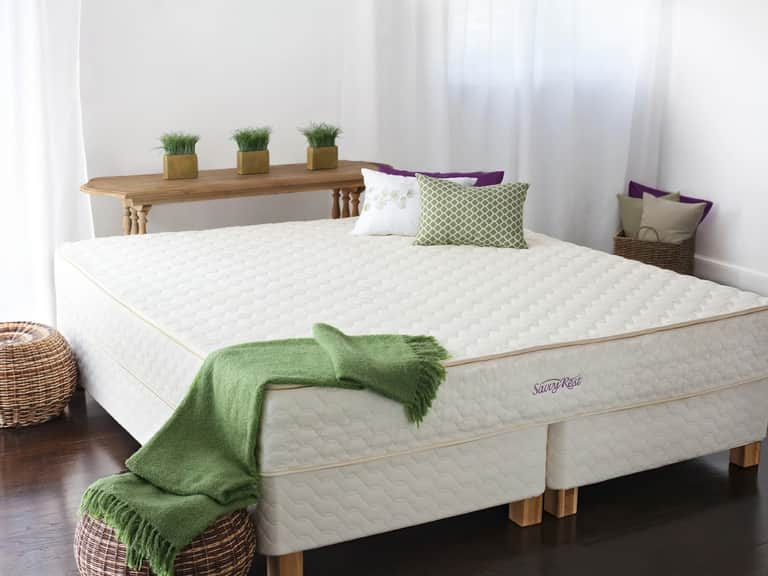
Customizable Serenity latex mattress adapts to your body with soft, medium, or firm layers for perfect comfort, while organic wool keeps you cool and dry. Made in the USA with organic cotton and latex, it pairs with any bed setup for restful, personalized sleep.
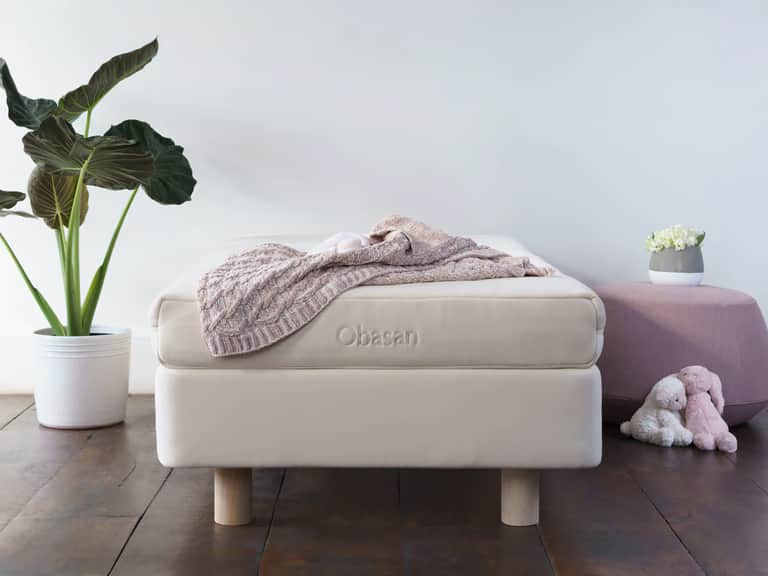
Sleep-safe, chemical-free comfort for kids: flip for two firmness levels, breathable organic latex and cotton, moisture-wicking wool, removable cover for easy care, and durable fit through school years.
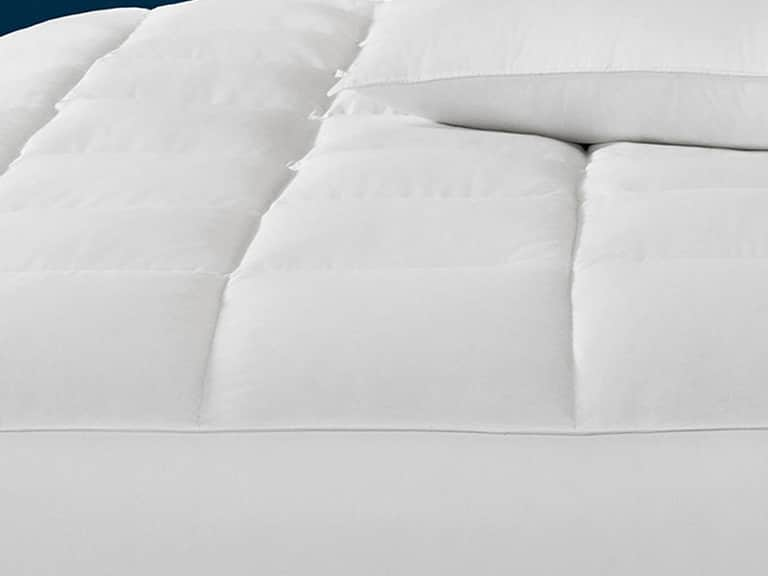
Experience cloud-like loft and lasting comfort with breathable down, a cushioned, secure fit for up to 20" deep mattresses, and a durable, cozy cover that stays put night after night.